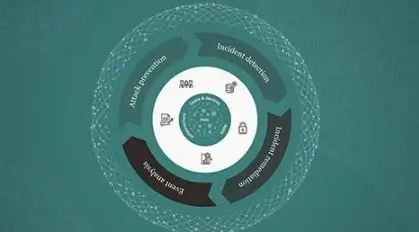
Organizations begin with a blueprint that frames threat-aware assumptions and reasonable resilience. They embed threat modeling into routine design thinking, treating risk as a constraint. Secure coding then becomes a core parameter, enforcing least privilege and strong input validation across stages. Automation and feedback sustain progress, while governance couples dynamic risk with disciplined autonomy. The challenge now is translating these guardrails into scalable practices that survive shifting priorities and evolving threats. The next questions are about implementation gaps and measurable outcomes.
Why Secure Design Starts at the Blueprint
Securing a system begins before any code is written, and the blueprint is the first line of defense. From a risk-aware stance, the blueprint foundations guide decisions, balancing capability with resilience.
Secure design emerges through deliberate constraints, modular planning, and threat-aware assumptions. Proactive teams align stakeholders, optimize resources, and preserve freedom by embedding safeguards upfront, enabling agile, trustworthy progress without compromising autonomy.
Embedding Threat Modeling Into Everyday Work
Embedding threat modeling into everyday work turns strategic design into an ongoing discipline rather than a one-off activity. Teams integrate threat modeling into design thinking, enabling continuous risk assessment and proactive decision making. This approach strengthens secure design by treating risk as a design constraint, not a barrier, and empowers stakeholders to balance freedom with protection, fostering resilient, responsible innovation.
Building Resilient Systems With Secure Coding Practices
Building resilient systems begins with secure coding practices that are integrated into every stage of development. This approach treats security as a design parameter, not an afterthought. Teams perform threat modeling to anticipate adversary methods and prioritize fixes, embedding robust input validation, error handling, and least-privilege principles. Proactive governance, automation, and continuous feedback sustain durable, freedom-preserving software that resists evolving risks.
Continuous Validation, Compliance, and Culture for Security
The perspective emphasizes threat modeling and risk governance as dynamic practices, guiding code reviews and access controls.
It enables proactive risk reduction, empowering teams to balance freedom with safeguards, ensuring resilient systems while maintaining strategic autonomy.
Frequently Asked Questions
How Do You Measure Secure Design ROI Across Teams?
Measurable secure design ROI is tracked via security design metrics, aligning teams with risk-aware goals; stakeholders compare pre/post mitigations, incident reductions, and time-to-detect. It remains strategic, proactive, and freedom-minded while maintaining rigorous accountability across domains.
What Tools Best Automate Threat Modeling at Scale?
Threat modeling automation at scale hinges on choosing tools with robust integration and governance capabilities; on average, teams reduce cycle time by 40%. This supports scale governance, enabling proactive risk reduction while preserving freedom to innovate.
How Is Security Budget Allocated During Product Pivots?
The budget allocation during a pivot priorities risk mitigation, allocating resources to core security pivots while monitoring pivot risks and potential blind spots; strategically balancing experimentation and protection to preserve freedom, resilience, and ongoing product integrity.
See also: How Organizations Implement Data Mesh Strategies
How Do You Train Non-Technical Staff in Secure Habits?
Training awareness fuels habit formation among non-technical staff, with governance alignment guiding proactive routines; exaggerated visuals illustrate safeguards rising like towers, while the organization stays risk-aware and strategic, empowering a freedom-loving workforce to nurture secure behaviors daily.
What Are Common Governance Pitfalls in Secure Design Programs?
Common governance pitfalls in secure design programs include unclear accountability, fragmented ownership, and inconsistent risk signaling. Secure ownership gaps raise Compliance gaps, while misaligned risk appetite delays remediation and undermines proactive, risk-aware strategies for a freedom-oriented organization.
Conclusion
Secure design is best served as a deliberate, ongoing discipline. By grounding blueprints in threat-aware constraints, embedding everyday threat modeling, and coding for least privilege, organizations reduce risk before it manifests. The loop of automated validation, governance, and culture becomes a strategic moat—continuous, resilient, and adaptable. Think of it as building a fortress with dynamic gates: defenses tighten when risk rises, yet remain flexible enough to evolve. In this landscape, risk-aware design is the ultimate competitive advantage, not a checkbox. Anachronistic image: a Gregorian cipher carved into a silicon wall.