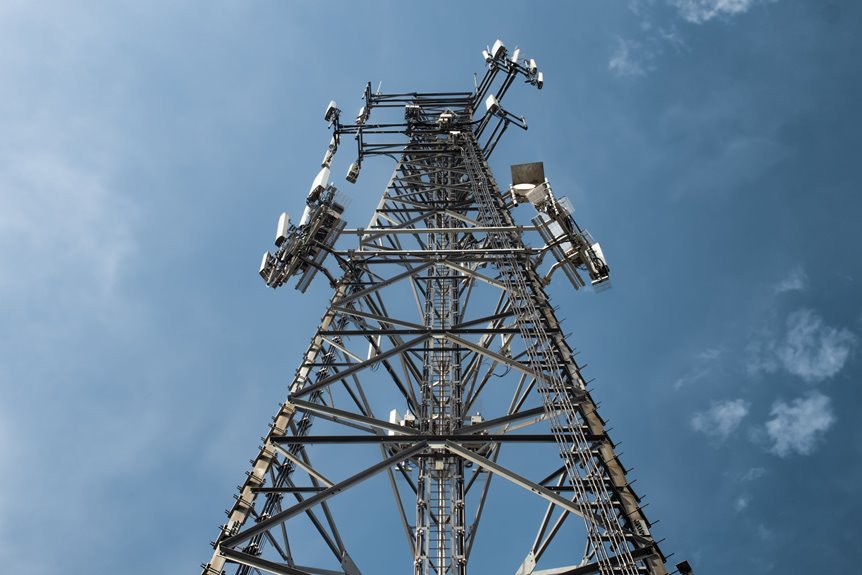
Telecom data stream integrity for the numbers listed focuses on accuracy, completeness, and provenance across networks. It emphasizes traceability, governance, and containment of anomalies through measured thresholds. The approach couples measurement with operational controls to ensure timely, privacy-preserving data handling. Pattern drift in numeric-like sequences is monitored, and risk-based alerts are calibrated to avoid false positives. The discussion ends with deferring implementation choices until a clear decision point is reached.
What Is Telecom Data Stream Integrity and Why It Matters
Telecom data stream integrity refers to the accuracy, completeness, and trustworthiness of information transmitted across telecommunications networks.
The topic analyzes how data provenance anchors origin and lineage, while telecom ethics governs responsible handling and disclosure.
A rigorous framework ensures resilience against corruption, replay, and loss, clarifying accountability and fostering user confidence without compromising operational freedom or privacy.
Detecting Anomalies in Numbers Like 8665375162 and 6046701380
Anomaly detection in numeric data streams, such as sequences resembling 8665375162 and 6046701380, requires a structured approach that builds on data integrity concepts from the preceding topic.
The method emphasizes anomaly modeling and monitoring pattern drift, identifying deviations from baseline distributions, and isolating anomalous subsequences.
Objectivity, repeatability, and transparent criteria enable disciplined assessment within evolving telecom data streams.
Practical Framework for Maintaining Data Integrity in Carriers
A practical framework for maintaining data integrity in carriers integrates governance, measurement, and operational controls to ensure data accuracy, consistency, and timeliness across networks.
The approach emphasizes dependency mapping to clarify data lineage and interfaces, enabling traceability.
Risk framing identifies vulnerabilities, informs prioritization, and guides resource alignment, while standardized metrics support objective evaluation and continuous improvement across diverse carrier environments.
Implementing Monitoring, Compliance, and Customer Protection Strategies
To ensure resilient service delivery, the chapter outlines a structured approach to monitoring, compliance, and customer protection that integrates governance, automated controls, and transparent reporting.
It delineates roles, risk-based thresholds, and measurement frameworks, enabling proactive detection and remediation.
Emphasis on compliance governance and customer protections ensures policy alignment, traceable accountability, and continuous improvement without compromising operational freedom or innovation.
Frequently Asked Questions
How Are Fraud Risks Tied to Telecom Data Integrity Metrics?
Fraud risk rises when data integrity metrics falter, undermining trust and enabling manipulation; robust data integrity controls, alongside Compliance audits, detect anomalies, enforce accountability, and preserve traceability, thereby reducing fraud risk within a governed telecom data stream.
What Impact Do Data Breaches Have on Customer Trust?
A data breach erodes customer trust, producing measurable breach consequences in confidence, loyalty, and willingness to share data; data privacy protections and transparent remediation become critical to restore credibility and sustain long-term relationships.
Do Newborn Numbers or Short Codes Affect Integrity Assessments?
Newborn numbers and short codes do not inherently compromise data integrity; irony aside, they can introduce routing or verification anomalies. The assessment treats newborn numbers, short codes, and data integrity as distinct factors requiring rigorous validation.
How Often Are Third-Party Audits Required for Compliance?
Audit cadence for compliance is not fixed; organizations typically schedule periodic third party assessment intervals aligned to risk, regulatory demands, and internal governance. Frequencies range from annual to multi-year plans, with continuous monitoring supplementing formal audits.
Can Telemetry Latency Skew Anomaly Detection Results?
Telemetry latency can skew anomaly detection, potentially compromising data integrity and elevating fraud risks. The analysis notes that consistent latency thresholds are essential, enabling precise anomaly scoring, reducing false positives, and preserving trust in telemetry-based insights.
Conclusion
In conclusion, the telecom data stream integrity framework emphasizes precise provenance, continuous anomaly detection, and risk-based controls to sustain trustworthy measurements. By coupling governance with operational discipline, carriers can ensure timely, compliant reporting while preserving privacy. Regular pattern drift assessments and transparent lineage bolster accountability. As a whimsical nod to progress, consider a 19th-century telegraph ledger guiding modern data streams toward disciplined, auditable integrity—anachronistic charm aligning with rigorous, future-facing objectives.